Lake Mburo National Park – The Walking Park on the Road West
Lake Mburo National Park: most travellers see Lake Mburo as a stopover, a place to sleep on the first night of a drive west and a park to leave behind the next morning. That undersells it. Lake Mburo is a compact park of about 260 square kilometres where rolling hills, acacia woodland, rocky outcrops, papyrus swamps and a string of lakes sit side by side, and it does things that the larger parks cannot.
It has no elephants and, by most accounts, no resident lions, which means that visitors can walk, ride horses, cycle and take night drives through open bush at close range to the animals.
It has zebras, impalas and elands in numbers that you will not find elsewhere in Uganda, a lake full of hippos, a good bird list and a feeling of ease. It is also the park closest to Kampala, about three to four hours by road, which makes it the natural first or last stop on a western circuit.
This guide explains Lake Mburo for travellers deciding how much time to give it. It covers the park and its history, the wildlife and what makes it different, the activities and what they cost, where guides disagree on prices and lions, how to get there, where to stay, the best time to go, sample itineraries, a short current health note and the mistakes to avoid.
Lake Mburo National Park at a Glance
| Question | Short Answer |
| Where | South-west Uganda, between Masaka and Mbarara, the first park on the road west from Kampala |
| Size and altitude | About 260 square kilometres, from about 1,220 to 1,828 metres, with about 20 percent of the area wetland |
| Status | Controlled hunting area from 1933, game reserve from 1963 and national park from 1983 |
| Distance from Kampala | About 228 to 240 kilometres, or three to four hours by road |
| What is different | Walking safaris, horseback riding, cycling and night drives are possible; there are no elephants and no resident lions |
| Signature animals | Zebra, impala, eland, topi, buffalo, hippo and leopard |
| Ideal stay | One to two nights |
Lake Mburo is the park for slowing down. It is at its best when you leave the vehicle.
The Park, Its History and Its Culture
The park lies in the Ankole sub-region, and its official name is the Lake Mburo-Nakivali Wetland System. It was first gazetted as a controlled hunting area in 1933, upgraded to a game reserve in 1963 and declared a national park in 1983. Its altitude ranges from about 1,220 to 1,828 metres, and about a fifth of its surface is wetland, including the lake from which it takes its name.
The park also holds places of cultural meaning. Rubanga is where sacrifices were once made to the gods, Ruroko is where the semi-mythical Bachwezi are said to have lived and Kigarama is where the king’s servants stayed. On its edges, Ankole cattle with their enormous horns graze on the ranchland. Our separate guide to cultural tours in Uganda explains the Ankole heritage at the Igongo Cultural Centre, which lies on the road to the park.
The Wildlife: What Lake Mburo Has That Other Parks Do Not
| Animal | Notes |
| Impala | Found in Uganda only here, according to one guide |
| Burchell’s zebra and eland | One of only two places in the country for each, and Uganda’s largest eland population in one guide |
| Buffalo, topi, waterbuck, warthog, oribi and reedbuck | Common on game drives |
| Hippos and crocodiles | On the lake and best seen on a boat trip, with three kinds of otter also reported |
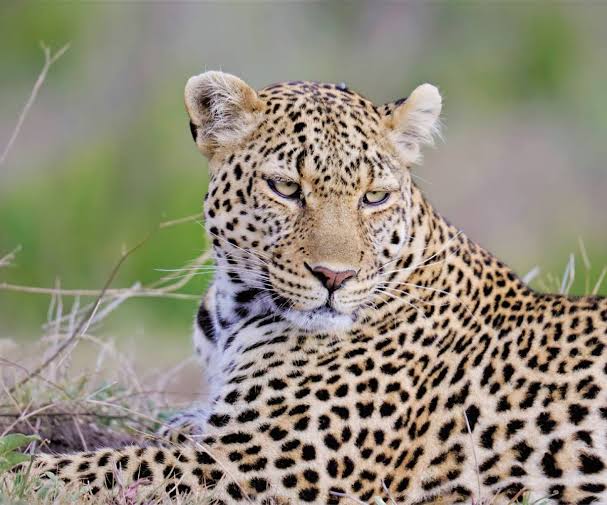
| Leopard | Increasingly visible, with a leopard rock named as a popular place at night or early in the morning |
| Spotted hyena | Often seen in groups |
| Giraffes | Reintroduced, with the Kazuma and Ruroko tracks the best for them; one page says they came from Murchison Falls |
| Lions and elephants | No elephants; lions are described as absent apart from one lone visitor from Tanzania, so treat them as absent |
| Birds | More than 300 species, with fish eagles, kingfishers, herons and, in Rubanga Forest, forest birds |
The absence of the big predators and elephants is the reason walking and riding are allowed, and it is what gives the park its calm. Our separate guide to wildlife safaris in Uganda explains where to find lions and elephants.
Activities and What They Cost
| Activity | What It Involves | Reported Cost |
| Game drives | A network of tracks around the Kigambira loop and the Kazuma and Ruroko tracks, with impala, zebra, topi and buffalo | Park entry, about US$40 per adult per day; a self-drive fee of US$10 per vehicle in one guide |
| Boat trip | About two hours on the lake for hippos, crocodiles and water birds, with buffalo and zebra at the shore | About US$20 to US$30 per person, with a minimum charge for a small boat |
| Walking safari | With a ranger to the Rwonyo salt lick, the lake shores, Rubanga Forest and hilltop viewpoints | About US$25 to US$30 per person |
| Night game drive | Two to three hours from about 6:30 pm, for leopard, hyena, genets and bushbabies, with a ranger guide | About US$30, quoted per vehicle in one guide and per person in another |
| Horseback riding | One of two parks in Uganda where visitors can watch game from horseback | About US$40 an hour in one guide |
| Cycling | Mountain biking, including on ranchland outside the park | About US$30 per person |
| Quad biking | Offered outside the park in one guide | About US$30 an hour |
Night drives are described as being for guests who sleep inside the park in one guide, so check before you plan around one. A couple who take a boat trip and a walk spend about US$100 to US$120 on activities at the higher prices quoted, since 2 x (US$30 + US$25) is US$110, before park entry. Our separate guide to boat cruises in Uganda explains the Lake Mburo trip and the other cruises.
Walking and Riding: The Park’s Signature Experiences
A walking safari at Lake Mburo is quiet and close, and it is one of the few chances in Uganda to walk among zebras and antelope with only a ranger beside you. Favourite trails lead to the salt lick at Rwonyo, along the lake shore, through Rubanga Forest and up to hilltop viewpoints. Animals keep their distance but do not run as they do from vehicles.
Horseback riding is the other signature activity, and it allows slow, quiet approaches to zebra and impala. It suits confident riders, and operators can usually arrange rides for different abilities. One operator package for two days with a night drive and cycling is described in a 2026 guide. Our separate guide to Uganda safari tours explains how to fit these activities into a route.
How to Get There and Where to Stay
| Topic | What to Know |
| By road | About 228 to 240 kilometres from Kampala via Masaka, taking three to four hours; guides give the route through Lyantonde to the Sanga gate or on towards the Nshara gate |
| Gates and headquarters | The Nshara and Sanga gates, with the headquarters at Rwonyo |
| Equator | The equator monument is at Kayabwe on the Kampala to Masaka road, not inside the park |
| On to Bwindi or Queen Elizabeth | A common next day’s drive |
| Lodging | Lodges inside and around the park, from budget to luxury; ask for current rates |
Most itineraries use Lake Mburo as an overnight break between Kampala and Bwindi or Queen Elizabeth, but travellers with an extra day find the walks and the pace rewarding on their own merits. Our separate guide to Uganda safari prices for 2027 explains the budget.
Best Time to Visit and a Current Health Note
- Lake Mburo can be visited all year, with the dry seasons, June to September and December to February, giving the easiest game viewing.
- In the dry season, animals gather near the lake and the salt lick, and the park has low rainfall of about 800 millimetres a year in one guide.
- The rains, March to May and October to November, make the park greener, with muddier tracks.
- A yellow fever certificate is mandatory for Uganda, and malaria is present all year.
- Uganda says it is currently Ebola-free and restricts travel from the Democratic Republic of Congo. The outbreak is centred on Ituri province in Congo, with cases also reported in North Kivu and South Kivu, and Lake Mburo lies in the south-west, far from the border areas most affected.
Check your government’s advice before you go. Our separate guide to the best time to visit Uganda explains the calendar.
Itineraries
| Trip | Plan | Best For |
| 1 night, stopover | An afternoon game drive and an evening or morning walk, on the way west | A circuit with limited time |
| 2 days | A game drive, a boat trip, a night drive and a walk or ride the next morning | A relaxed short break from Kampala |
| 3 days | Kigambira and Kazuma game drives, a walking safari, birding and horse riding or cycling | Wildlife and activities |
| As part of a circuit | Lake Mburo, Bwindi, Queen Elizabeth and Kibale | A classic western route |
Frequently Asked Questions
How big is Lake Mburo National Park?
About 260 square kilometres, Uganda’s smallest savannah park.
How far is it from Kampala?
About 228 to 240 kilometres, three to four hours by road.
Does it have lions or elephants?
No elephants, and lions are described as absent apart from one lone visitor.
Can I walk in the park?
Yes. Walking safaris, horseback riding, cycling and night drives are possible.
How much is the boat trip?
About US$20 to US$30 per person, depending on the guide.