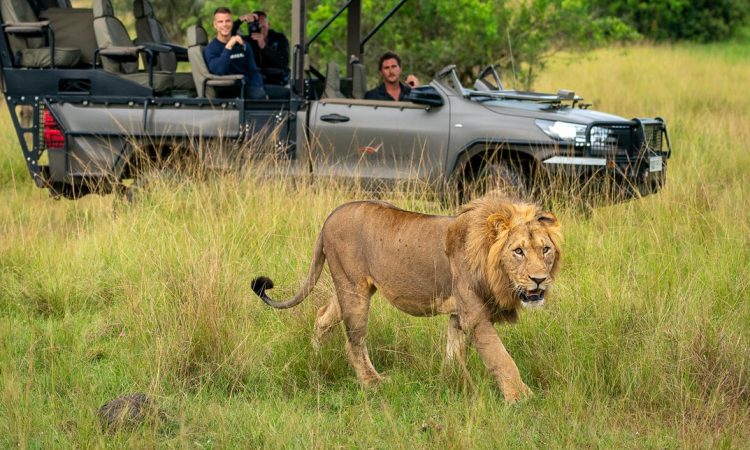
Akagera National Park
Akagera National Park – Rwanda’s Big Five Savannah Akagera National Park lies in the eastern part of the country, along
Rwanda National Parks
Rwanda has four national parks, and each is a different country in miniature. In the north-west, Volcanoes National Park covers the Virunga slopes, where mountain gorillas and golden monkeys live in bamboo and misty forest. In the south-west, Nyungwe is one of Africa’s great montane rainforests, with chimpanzees, large troops of colobus monkeys, a canopy walkway and, since 2023, World Heritage status. In the east, Akagera is a savannah of lakes, hills and papyrus swamps that has regained the full set of the Big Five. And in the west, Gishwati-Mukura, the newest and smallest park, protects two remnant forests that are slowly recovering. Because Rwanda is small, you can see all four in a single trip, and the drives between them are short by East African standards.
Akagera National Park – Rwanda’s Big Five Savannah Akagera National Park lies in the eastern part of the country, along
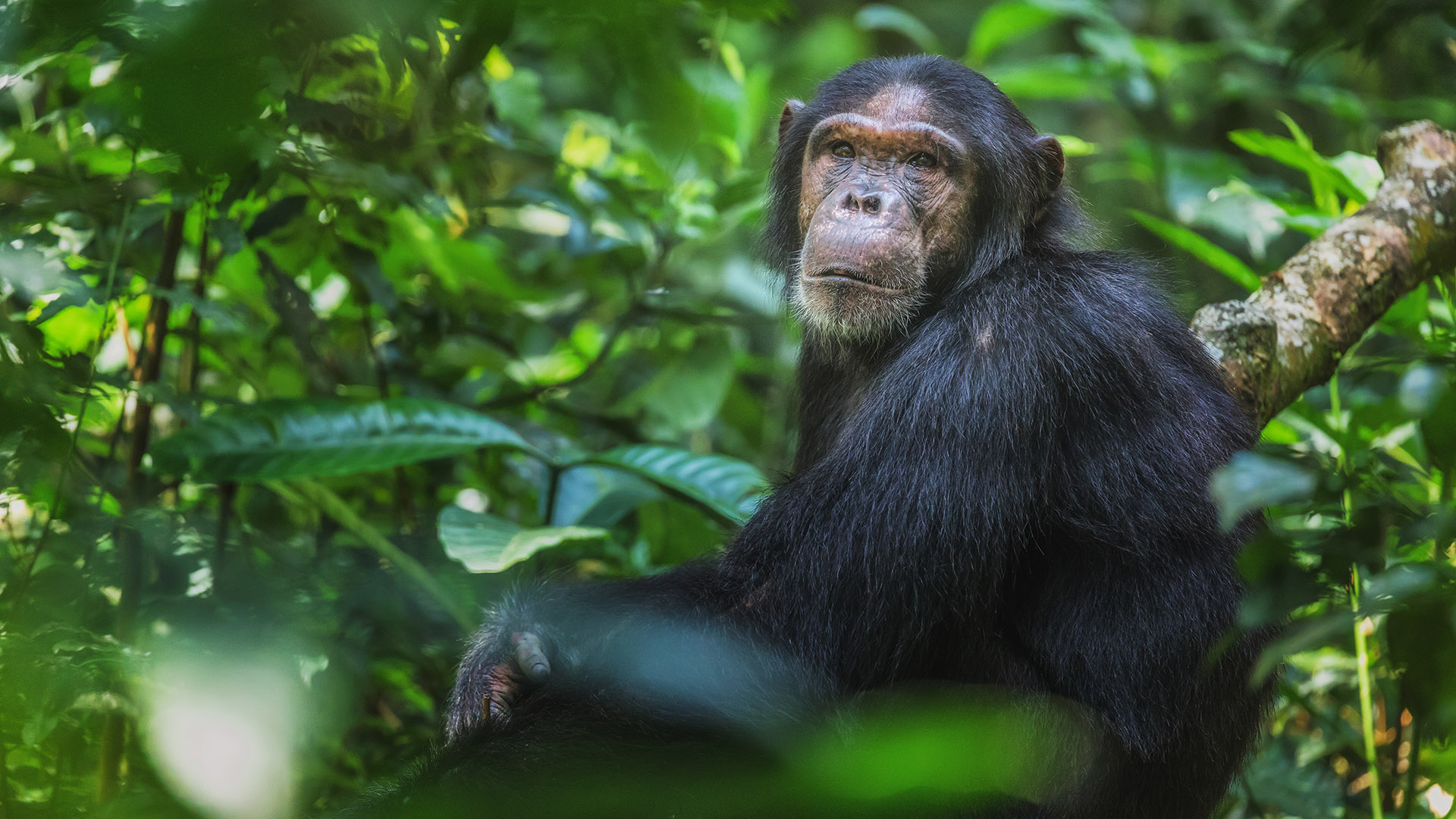
Nyungwe National Park – Rwanda’s Ancient Rainforest Nyungwe National Park is vast, dark and green, a montane rainforest of about
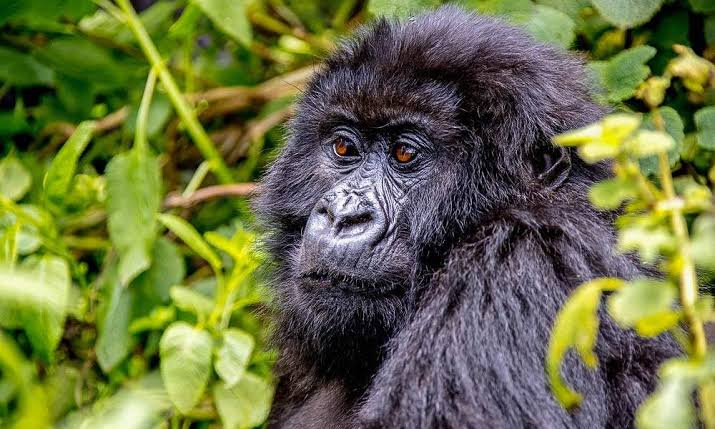
Volcanoes National Park – Rwanda’s Home of the Mountain Gorilla Volcanoes National Park is the only place in Rwanda where
This guide explains what each park offers and how to combine them. It covers sizes and character, the headline experiences, how the seasons affect each park, how Rwanda’s parks compare with Uganda’s, sample circuits of four to ten days and the current advice for the border areas, which affects parts of the north and west this year.
Rwanda’s National Parks at a Glance
Park | Region | Size and Character | Best For |
Volcanoes | North-west | About 160 square kilometres of montane forest and bamboo on the Virunga volcanoes, established in 1925 | Gorillas, golden monkeys and volcano hikes |
Nyungwe | South-west | About 1,019 square kilometres of montane rainforest, a UNESCO World Heritage Site since 2023, with 13 primate species | Chimpanzees, colobus, birds and the canopy walk |
Akagera | East | About 1,122 square kilometres of savannah, lakes and papyrus swamps, established in 1934 | Big Five game drives and boat trips |
Gishwati-Mukura | West | About 34 square kilometres of two remnant montane forests, created as a park in 2015 | Quiet forest walks and a less visited stop |
The headline is that Rwanda’s parks are small, distinct and close together, so the question is not which to choose but how much time each deserves.
Volcanoes National Park: Gorillas, Golden Monkeys and Volcanoes
Volcanoes is the park most visitors come for. It lies on the Virunga massif, a chain of volcanoes shared with Uganda and the Democratic Republic of Congo, and it is the only place in Rwanda to see mountain gorillas. A gorilla permit costs US$1,500 per person for foreign non-residents, set by the Rwanda Development Board, with a reported low-season rate of US$1,050 for multi-park visitors that guides describe differently. Treks last about an hour with a family, preceded by a walk of an hour to several hours over steep, muddy ground.
Golden monkey tracking, at about US$100, is a lighter and livelier second activity in the bamboo. The park also offers the Dian Fossey tomb hike at about US$75, a day hike to the Mount Bisoke crater lake at about US$75 and a two-day climb of Mount Karisimbi, Rwanda’s highest point at 4,507 metres, at about US$400. The park headquarters is at Kinigi, about three hours by road from Kigali. Our separate guides to the Dian Fossey tomb hike and to the Bisoke and Karisimbi hikes explain each.
Nyungwe National Park: Chimpanzees, Colobus and the Canopy
Topic | What to Know |
The forest | About 1,019 square kilometres of ancient highland rainforest, rising to about 3,000 metres, listed as a World Heritage Site in September 2023 |
Primates | About 13 species, said to be a quarter of Africa’s primate species, including chimpanzees, Rwenzori colobus and golden monkeys |
Birds | About 322 species in the official count, with about 30 Albertine Rift endemics, making it the best forest birding in Rwanda |
Chimpanzee tracking | A forest trek to a habituated community; the permit is US$150 or US$250 in 2026 guides |
Canopy walk and colobus tracking | About US$40 each in guides |
Conditions | Cool, humid, with morning mist and steep trails |
Nyungwe suits travellers who enjoy forest walking, birds and primates in a quiet setting. Sightings of chimpanzees are less predictable than in Uganda’s Kibale, and the colobus troops and the forest itself are the compensation. Our separate guide to chimpanzee trekking in Uganda and Rwanda compares the two countries.
Akagera National Park: The Big Five in the East
Akagera is the savannah counterpart to the forests, and it is a conservation success story. War and its aftermath devastated the park, and for about two decades it had no lions or rhinos. A partnership between the Rwanda Development Board and African Parks brought back lions in 2015, eastern black rhinos from 2017 and southern white rhinos from 2021 and 2025, and today the park has all of the Big Five, with elephants, buffalo, leopards, hippos, crocodiles and about 490 bird species or more.
Entry is about US$100 per adult per day in the park’s own page, though other guides give US$40 or US$50, and activities are charged separately: a night drive at about US$35 to US$40, a rhino tracking drive at about US$45 to US$50 and a Lake Ihema boat trip at about US$35 to US$45. The park is about two and a half hours from Kigali, and two days is the realistic minimum for a serious attempt at all five animals. Our separate guide to Big Five safaris in Rwanda explains the park in detail.
Gishwati-Mukura National Park: The Quiet Newcomer
Gishwati-Mukura is Rwanda’s smallest and newest national park, covering about 34 square kilometres of two remnant montane forests, Gishwati and Mukura, on the ridge between the Congo and Nile river basins. It was designated in 2015 to reverse decades of deforestation, and it is described as holding chimpanzees and golden monkeys, with a bird list of about 230 species in one guide and a higher figure in another, including Albertine Rift endemics such as the purple-breasted sunbird, the regal sunbird and the Rwenzori batis.
It is quiet, simple and still developing, and fees and access were not confirmed in the guides reviewed, so ask your operator before including it. It suits birders, forest lovers and travellers who want to see a restoration project at work. Our separate guide to birding safaris in Rwanda explains where it fits.
Fees at a Glance
Experience | Park | Reported Fee |
Gorilla trekking | Volcanoes | US$1,500, with a reported US$1,050 multi-park low-season rate, November to May, that guides describe differently |
Golden monkey tracking | Volcanoes | About US$100 |
Dian Fossey tomb hike and Bisoke hike | Volcanoes | About US$75 each |
Karisimbi hike | Volcanoes | About US$400, including a high camp |
Chimpanzee tracking | Nyungwe | US$150 or US$250, depending on the guide |
Canopy walk and colobus tracking | Nyungwe | About US$40 each |
Entry | Akagera | About US$100 per adult per day in the park’s own page, with lower figures elsewhere |
Night drive, rhino drive and boat trip | Akagera | About US$35 to US$40, US$45 to US$50 and US$35 to US$45 |
The gorilla permit is the largest fixed cost by far. Our separate guides to the Rwanda gorilla permit and to Rwanda safari prices for 2027 explain how the fees fit into a budget.
Best Time to Visit the Parks
Period | Conditions | Notes |
June to September | The long dry season | The firmest trails and clearest volcano views; peak demand |
December to February | A shorter dry season | Good conditions and a busy holiday period |
March to May | The long rains, with April the wettest | Muddy trails, quiet parks and the possible low-season gorilla rate |
October and November | The short rains | Showers, mud and fewer visitors |
Gorilla, golden monkey and chimpanzee trekking runs all year, and Akagera’s wildlife is easier to find in the dry seasons. Our separate guide to the best time to visit Rwanda explains each month.
Rwanda and Uganda Compared
Feature | Rwanda | Uganda |
Number of national parks | Four | Ten |
Gorilla permit | US$1,500 | US$800, or US$600 in the 2026 low season |
Big Five | All in Akagera | A route through several parks plus Ziwa |
Distances | Short; Volcanoes about three hours from Kigali | Long, with days of driving between parks |
Chimpanzees | Nyungwe | Kibale, Kyambura, Budongo and Bugoma |
Style | Compact and tightly managed | Varied and spread out |
Many travellers combine the two, using the Kigali to Kisoro route between Volcanoes and Bwindi. Our separate guide to gorilla trekking in Africa explains how to compare the countries.
Sample Circuits
Circuit | Parks | Length | Best For |
Gorillas only | Volcanoes | 3 to 4 days | A short trip |
Gorillas and Big Five | Volcanoes and Akagera | 5 to 6 days | A first-time trip |
Primates | Volcanoes and Nyungwe | 6 to 7 days | Every primate trek |
The full circuit | Akagera, Volcanoes and Nyungwe, with Lake Kivu | 8 to 10 days | Every highlight |
Birds and forests | Nyungwe, Gishwati-Mukura and Volcanoes | 7 to 9 days | Birders |
Leave a rest day after a gorilla trek, and keep a buffer before an international flight. Our separate guide to Lake Kivu explains a restful finish.