Kidepo Valley National Park – Uganda’s Wild North-East
Kidepo Valley National Park covers 1,442 square kilometres and ranges in altitude from about 914 metres on the valley floor to about 2,750 metres at Mount Morungole. It has the country’s only wild ostriches, large herds of buffalo, a recovering elephant population, a bird list of more than 470 species and some of the most distinctive cultures in Uganda on its edges.
This guide explains Kidepo for travellers deciding whether to make the trip. It covers the park and its history, the two valleys and how they differ, the wildlife, the activities and what they cost, the Ik and Karamojong visits and how to approach them respectfully, how to get there by air and road, where to stay, the best time to go, sample itineraries, a short current health note and the mistakes to avoid.
Kidepo Valley National Park at a Glance
| Question | Short Answer |
| Where | Karamoja, in the far north-east of Uganda, near the Kenyan and South Sudanese borders |
| Size and altitude | 1,442 square kilometres, from about 914 to 2,750 metres |
| History | A game reserve from 1958, when the Ik and Ketebo people were evicted, and a national park from 1962 |
| Wildlife | At least 77 to 86 mammal species and about 470 bird species, with Uganda’s only wild ostriches |
| Main activities | Narus Valley game drives, valley walks, hikes to Lomej Hills and Mount Morungole and community visits |
| Park entry | About US$40 per adult per 24 hours, according to one page citing the 2024 to 2026 tariff |
| Getting there | A long road journey, or a flight of about two hours from Entebbe or Kajjansi to Lomej airstrip |
| Best months | The dry season, when animals concentrate in the Narus Valley |
Kidepo is a park for travellers with time and a taste for space. It is not a place to squeeze into a short trip.
The Park, Its History and Its Two Valleys
The park consists of two valley systems, those of the Kidepo and Narus Rivers. The Ik and Ketebo, or Mening, people had lived in the area since the nineteenth century, and the British colonial government gazetted it as a game reserve in 1958 and evicted them. Milton Obote converted the reserve into a national park in 1962. Elephants had been poached out of the area in the decade from 1900, and they have since returned.
The two valleys differ. The Narus Valley receives about 890 millimetres of rain a year in one guide against about 635 in the Kidepo Valley, which gives it perennial swamps and pools along the Narus River, and most of the park’s tourist infrastructure lies there. In the dry season, much of the game from the larger northern Kidepo Valley migrates to the Narus, and the Kidepo River dries to a sand bed with scattered pools. Our separate guide to Mount Elgon explains a quieter mountain in the same part of the country.
The Wildlife
| Animal | Notes |
| Lions | Often seen resting on rocky outcrops, particularly in the Narus Valley in the dry season |
| Buffalo | A thriving population, given as 10,000 to 15,000 on the Uganda Wildlife Authority’s page |
| Elephants | Numbers have risen from about 200 in the 1990s to well over 600 in one page, with the figure cut off |
| Rothschild’s giraffes | A population described as over 400 in one reference |
| Cheetah and leopard | Cheetahs are listed among the park’s cats; Kidepo is described as strongest for leopard and lion in one guide |
| Ostriches | The only wild ostrich population in Uganda |
| Plains game | Burchell’s zebra, eland, hartebeest, oribi, klipspringer and Bohor reedbuck |
| Others | Spotted hyena, Nile crocodiles on the Narus pools and many smaller mammals |
Kidepo’s wildlife is easiest to find in the dry season, and the open landscape makes sightings dramatic. Our separate guide to wildlife safaris in Uganda explains where else to find these animals.
Birds
Kidepo’s bird list is given as 472 species in the park’s management plan and about 475 or 476 in guides, which is among the highest of any Ugandan park. Many are dry-country species that link Uganda with Kenya, Ethiopia and beyond, including ostriches, and birdwatchers can walk from the Apoka rest camp towards the fringes of the Narus and Namamukweny valleys. Guided walks along the Kidepo River valley, of one to six hours, pass through Borassus palm forests, floodplains and savannah edges.
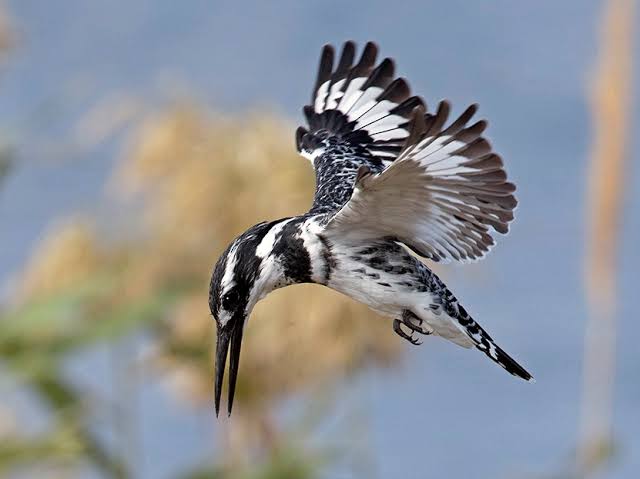
Birding is rewarding in every season, though the dry months make birds easier to find around the water. Our separate guide to birding safaris in Uganda explains how Kidepo fits with the western sites.
Activities and What They Cost
| Activity | What It Involves | Notes |
| Game drives in the Narus Valley | The park’s prime game-viewing area, with large herds and predators, best at dawn and dusk | Park entry about US$40 per adult per 24 hours |
| Northern Kidepo drives | Across the Kidepo Sand River, rolling hills and granite outcrops, towards the Kanangorok Hot Springs | Less visited and more remote |
| Kidepo River valley walks | Guided walks of one to six hours through palm forest and floodplain | A ranger guide is required |
| Lomej Hills and Mount Morungole hikes | Treks of four to five hours with scenic viewpoints and Ik community interaction | The Morungole climb to the Ik is extremely strenuous, taking all day, in one guide |
| Karamojong community walk | A visit to a homestead and a talk about cattle culture | Arranged through the park or a reputable community guide |
| Birding | From Apoka and along the valleys | Best early in the morning |
A three-day safari from Kampala with transfers, a game drive and a community walk is offered in a 2026 guide, though most visitors need at least two full days in the park. Our separate guide to Uganda safari prices explains how to budget a remote trip.
The Ik and the Karamojong: Meeting Northern Uganda’s Peoples
The Karamojong are semi-nomadic cattle keepers, and their homesteads near the park offer a view of a way of life in which cattle shape dress, food, marriage and ceremony. The Ik are a very small people who live on the slopes of Mount Morungole and who are described as among the most isolated in Uganda, a hunter-gatherer community whose traditional way of life is under pressure. Visiting them means an extremely strenuous all-day hike in one guide, and the visit should be arranged through the park or a reputable community programme.
Treat these meetings with great care. Go with a guide who works with the community, ask how the fee is shared, dress modestly, ask before taking photographs and do not hand out sweets or money. These are not performances, and the best visits are conversations. Our separate guides to cultural tours in Uganda and to community-based tourism explain how to visit well.
How to Get There
| Option | What to Know |
| By air | Scheduled or chartered flights from Entebbe or Kajjansi to Lomej airstrip, a few kilometres from the Apoka Tourism Centre, take about two hours; a blog quotes about US$250 to US$300 one way |
| By road via Mbale | Kampala, Mbale, Sironko, Kotido and Kaabong to Kidepo, a very long journey |
| By road via Gulu | Kampala, Gulu and Kitgum to Kidepo, an alternative long route |
| Overnight stops | Most road itineraries break the journey, with Murchison Falls or Mount Elgon as possible links |
The flight saves a day each way and is the practical choice for most visitors. A flight return costs about US$500 to US$600 per person at the quoted fares, since 2 x US$250 to US$300 is US$500 to US$600. Our separate Uganda travel guide explains the options for getting around.
Where to Stay and Best Time to Visit
| Topic | What to Know |
| Lodging | Lodges and camps around the Apoka Tourism Centre, from budget to luxury; ask for current rates |
| Minimum stay | Two nights, with three or four better for the journey |
| Dry season | The best time for game, when the rivers dry up and animals concentrate on the Narus Valley pools |
| Rains | Green and quiet, with harder tracks and more dispersed animals |
| Combine with | Mount Elgon and Sipi Falls, Murchison Falls or Jinja |
Our separate guide to the best time to visit Uganda explains the seasons, and the guide to Murchison Falls explains a larger park on a northern route.
Sample Itineraries and a Current Health Note
| Trip | Plan | Best For |
| 3 days, fly-in | Fly to Lomej, two game drives, a valley walk and a community visit, then fly back | A short trip with the headline experiences |
| 5 days, by road and air | Drive via Mbale and Elgon, spend three nights at Kidepo and fly out | Adventurous travellers |
| 8 to 9 days, north | Ziwa, Murchison Falls and Kidepo | Wildlife and remote scenery |
| 10 days, east and north | Jinja, Sipi, Elgon and Kidepo | Quiet Uganda |
Frequently Asked Questions
How big is Kidepo Valley National Park?
1,442 square kilometres.
How do I get to Kidepo?
By a flight of about two hours from Entebbe or Kajjansi to Lomej, or a very long road journey.
How much is park entry?
About US$40 per adult per 24 hours, according to one page citing the 2024 to 2026 tariff.
What is special about the wildlife?
Lions, buffalo, elephants, giraffes, cheetahs and Uganda’s only wild ostriches.
When is the best time to visit?
The dry season, when animals concentrate on the Narus Valley pools.